The Magpie Moth
Small, black, and definitely not a butterfly
We may be butterfly poor in Aotearoa/New Zealand, but when it comes to moths we are spoilt rotten. We have over two THOUSAND species of moth here (as far as we know - there are probably more) and about 90% of them are endemic.
I’ve been working a lot on my butterfly garden lately. My strategy is to start with the butterflies I know we get regularly (kahukura/red admiral and kahukōwhai/yellow admiral) and then trying to attract the ones I see less frequently (monarch, southern blue, and common copper).
When creating my butterfly garden, I came across the Moths & Butterflies of NZ Trust (MBNZT, of which I am now a board member). I used their habitat certification criteria to guide me, and realised that I had forgotten one very important element in my garden: moths.
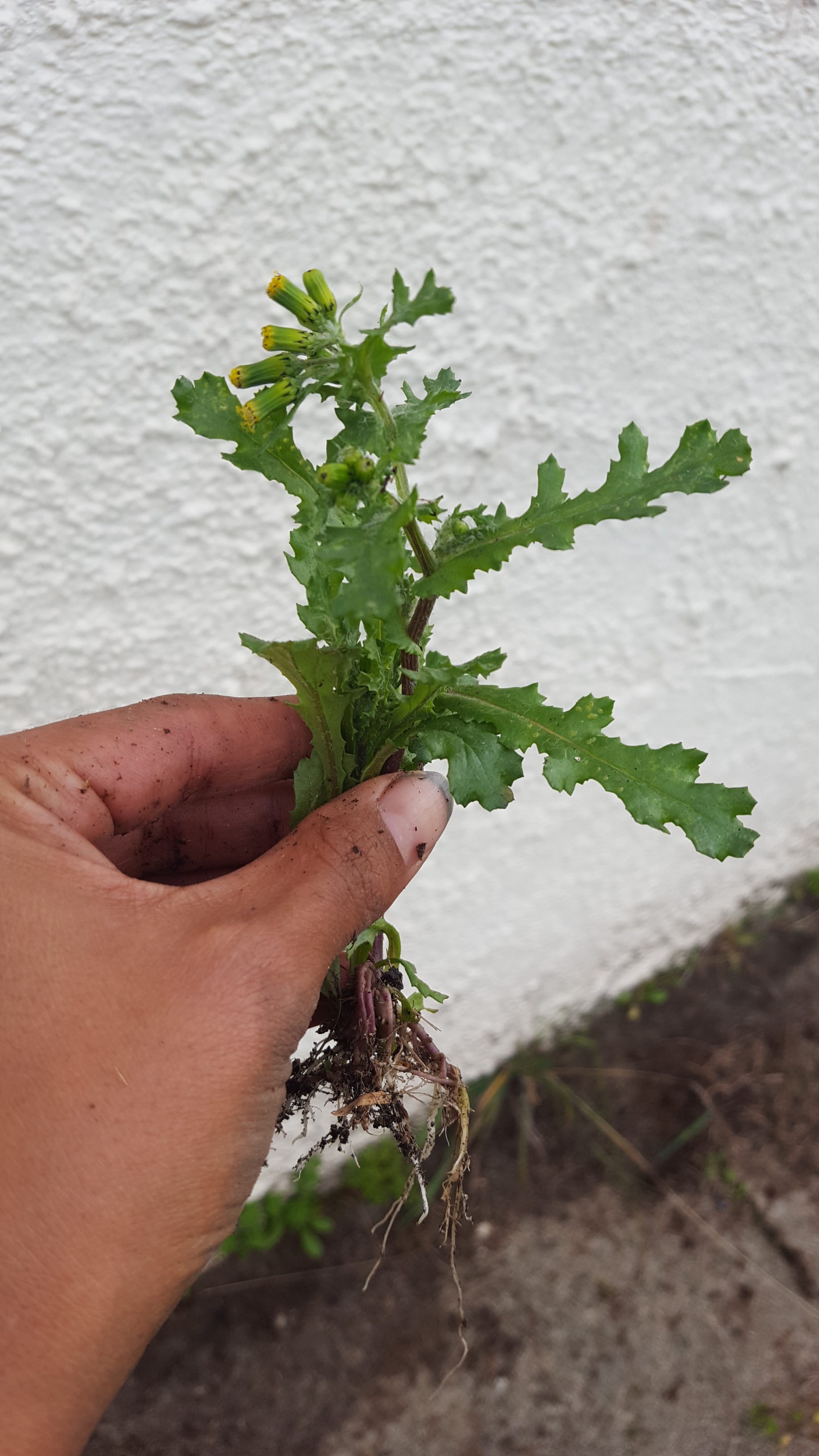
Attracting any wildlife involves ticking the boxes of food, shelter, and water - and in the case of lepidoptera, their specific host plants (lepidoptera is the order of insects that includes butterflies and moths). Last week I found some groundsel (Senecio vilgaris) growing in our concrete pathway and moved it to the butterfly garden. Today I thought I’d write about why it belongs there.
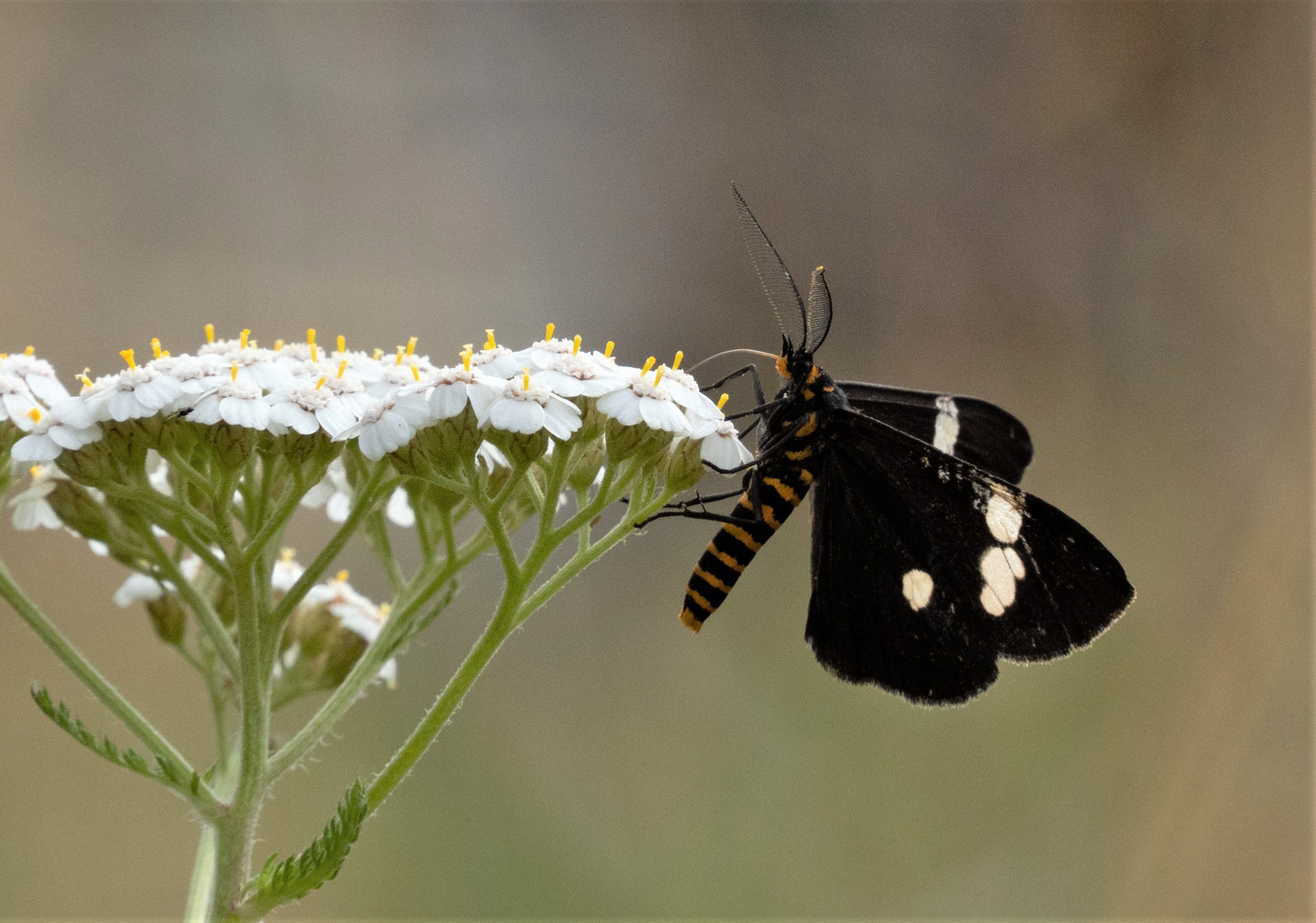
I found what I thought was a dead butterfly on the roadside one day. I was fascinated by its conspicuous yellow striped body and deep black wings. I took some photos to upload to iNaturalist and identify it. Sometimes we get ‘visitors’ from Australia or the Pacific Islands, who fly over but can’t breed here without their caterpillar host plant (the monarch butterfly technically falls into this category, but because we grow swan plants to host them here they are now considered ‘assisted natives’).
Turns out, the critter I found was actually an endemic species… and it wasn’t a butterfly at all, but a day-flying moth. I’ve seen them a few times since, usually in summer, though my mum spotted one up near Duntroon when we visited in early autumn.
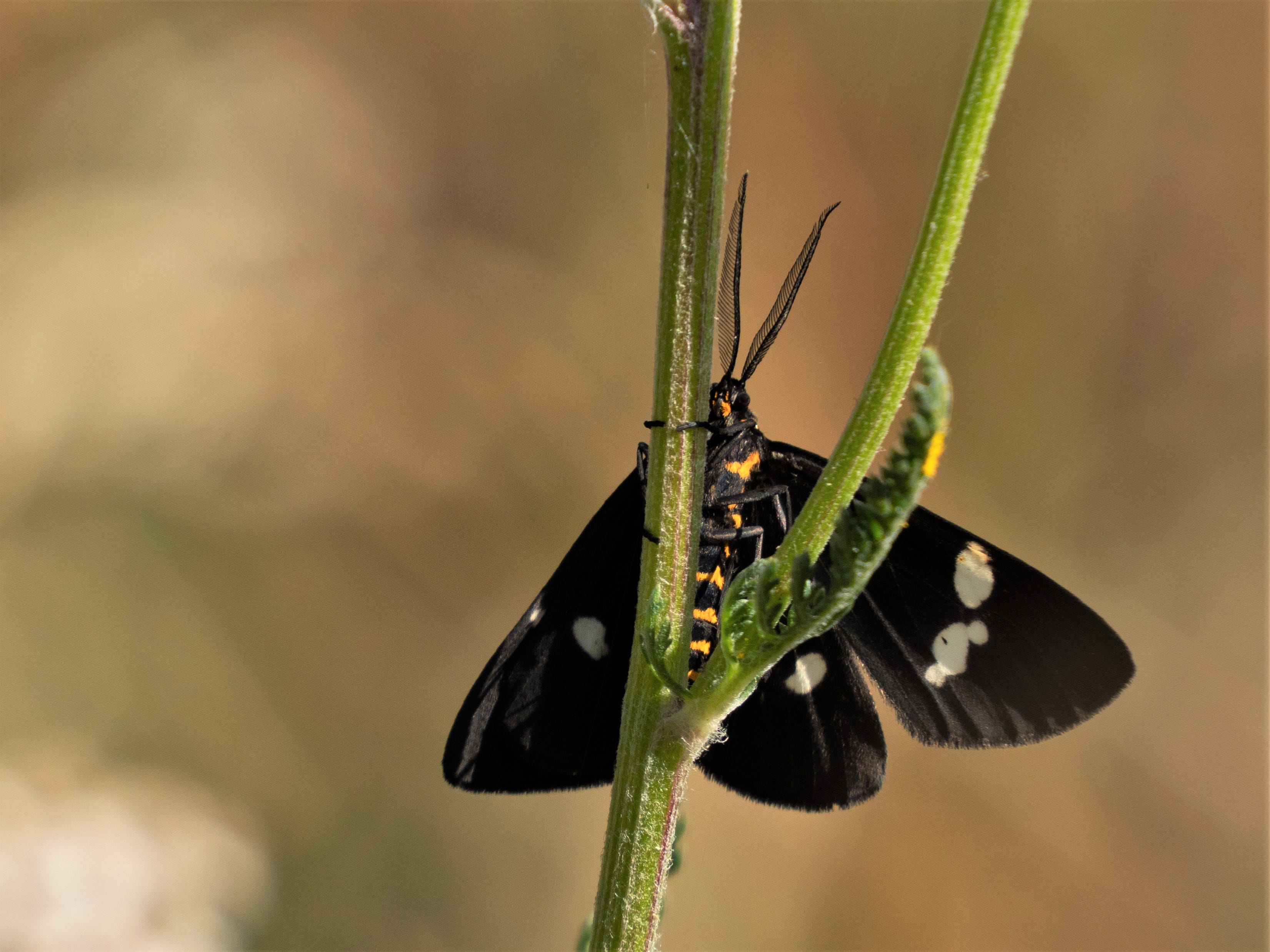
They’re beautiful creatures, but I didn’t get a chance to really admire them until I took a photo and got to see them up close. Look at those gorgeous combed antennae! There’s a certain grace about them, too, even when they fly off with that typical lopsided moth-flight. Maybe it’s the black?
Magpie moths (or mōkarakara in te reo Māori) only live 1-2 months and overwinter as a pupa (cocoon) or a caterpillar. Amazingly, the caterpillars can freeze themselves for up to 14 years if they need to! You might know their larvae as “woolly bears” as they’re fuzzy little things (I still haven’t seen one, so that’s on my bucket list now).


But it’s not really the time to see magpie moths right now… so, why am I harping on about them? Let’s go back to that little groundsel weed I found.
Groundsel is in the Senecio family, which is the group of plants the magpie moth caterpillars eat (like the swan plant for monarchs). Fortunately for magpie moths, there are a number of plants in this group, including 19 native species. I currently have my eye on the (non-native) Cineraria from Awapuni Nurseries, but it’s on my to-do list to hunt down some of the native varieties.
Adding these will mean I have host plants for at least six different lepidoptera species in my butterfly garden - it’s really empowering to know that I have the ability to make an actual, real improvement to biodiversity, even if that’s only in our garden.


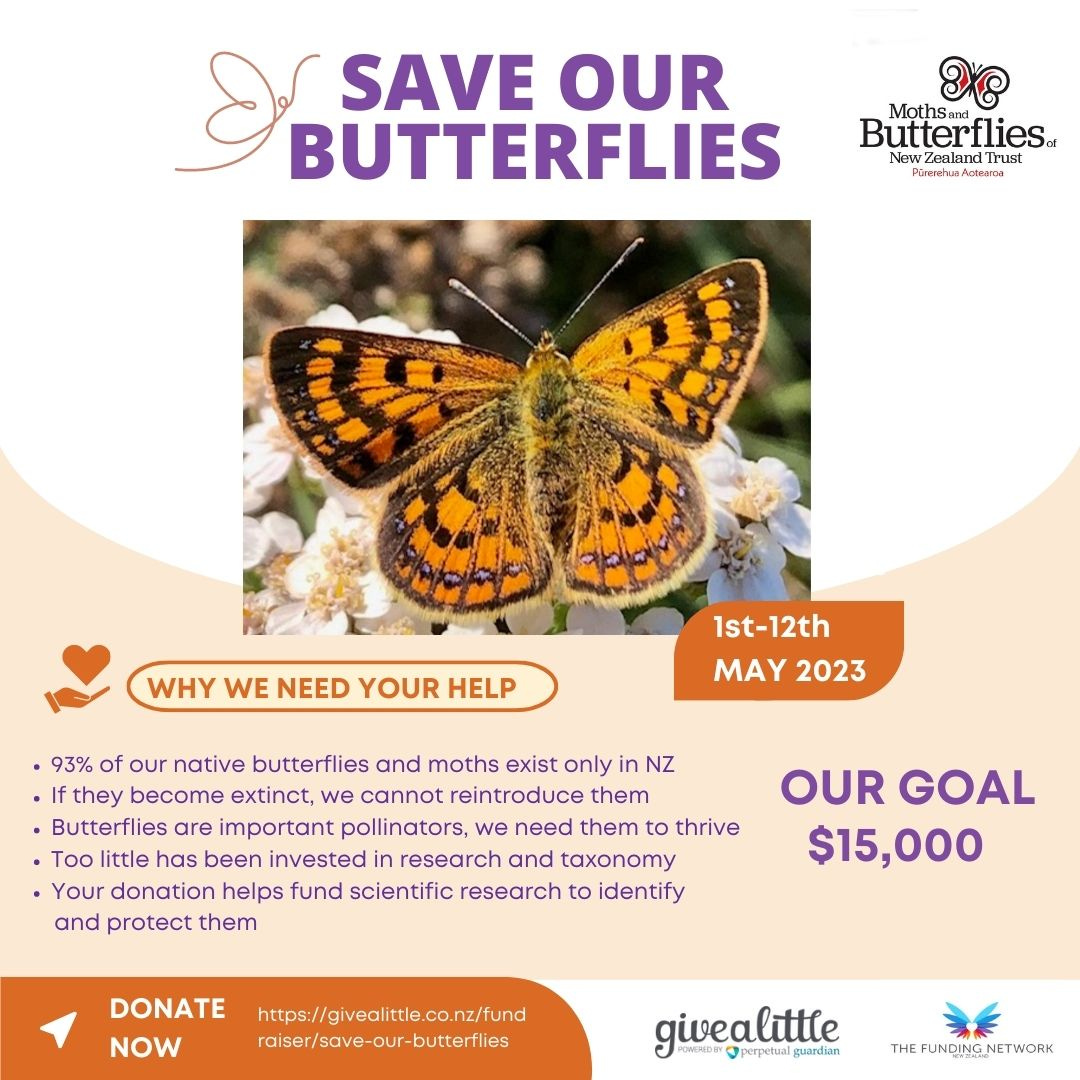
Love butterflies? You may not know but I am a trustee of the Moths and Butterflies of NZ Trust. Some of our volunteers have been working hard on a campaign to raise money for research into our native copper butterflies.